
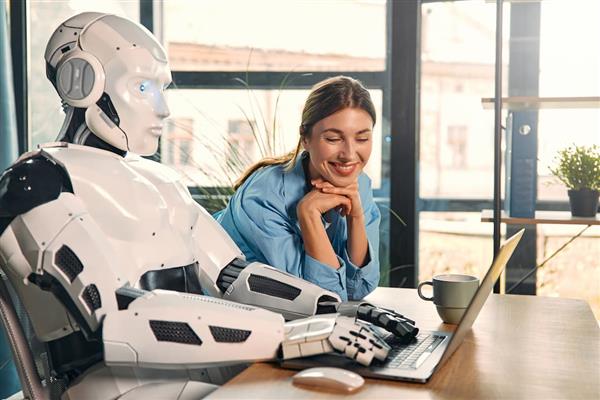
As artificial intelligence continues to transform industries worldwide, career planning is taking on a new dimension—especially for young professionals. With automation steadily altering job landscapes, identifying roles where human abilities still surpass machine capabilities is more important than ever.
Find you jobs and latest updates click here
AI’s Expanding Role in the Workforce
A global report by PricewaterhouseCoopers (PwC) reveals that AI integration is rapidly advancing across various sectors, notably in IT, financial services, and professional services. These industries are not just adapting to AI—they’re thriving with it. In fact, average wages for AI-skilled professionals surged by 56% in 2024, a significant increase from the 25% rise recorded the previous year.
PwC’s Chief Economist, Barret Kupelian, shared insights during a BBC Radio 5 Live interview, noting that AI is already influencing many aspects of working life. He emphasized that rather than completely replacing human workers, AI is more likely to enhance existing roles, particularly those requiring human sensitivity and judgment.
3 Types of Careers That Are Likely to Endure
Kupelian pointed to three career categories that are expected to remain strong—even as AI adoption grows:
1. Skilled Trades
Jobs such as electricians, plumbers, and painters rely on hands-on labor, critical thinking, and on-the-spot decision-making—tasks that current AI technology cannot replicate. These roles remain largely immune to automation due to the unpredictable and physical nature of the work.
2. AI-Aligned Professions
While automation is eliminating some jobs, it’s also creating new ones. Careers in AI development, data science, machine learning, and AI ethics are in high demand. These roles are not only future-proof but also come with competitive salaries and play a critical role in shaping how AI is applied across industries. According to PwC, companies embracing AI tend to experience faster revenue growth, further fueling demand for professionals skilled in this domain.
3. Human-Centered Roles
Jobs that require empathy, intuition, creativity, and complex human judgment remain less vulnerable to automation. These positions—often in fields like education, counseling, design, and leadership—benefit from the very qualities that machines struggle to replicate. As repetitive tasks become automated, professionals in these roles can focus more on strategic thinking and innovative problem-solving.
The Future of Work: Working With AI, Not Against It
What separates jobs at risk from those that are secure is the level of human involvement required. Repetitive, structured roles with minimal need for decision-making are most likely to be automated. In contrast, positions that demand adaptability, emotional intelligence, and hands-on interaction will continue to rely heavily on human workers.
Ultimately, the key to thriving in the age of AI is learning how to collaborate with technology. By harnessing AI’s strengths while developing uniquely human skills, professionals can stay relevant—and even lead—in this evolving job market.